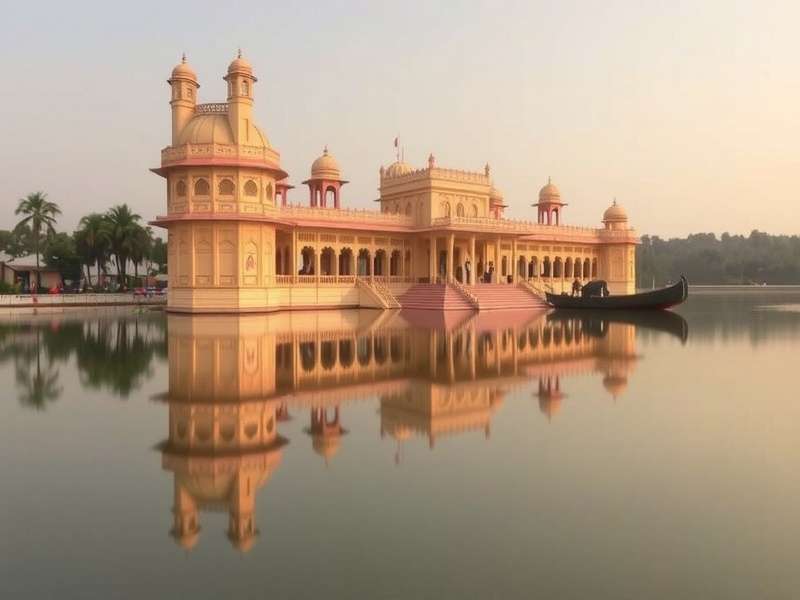
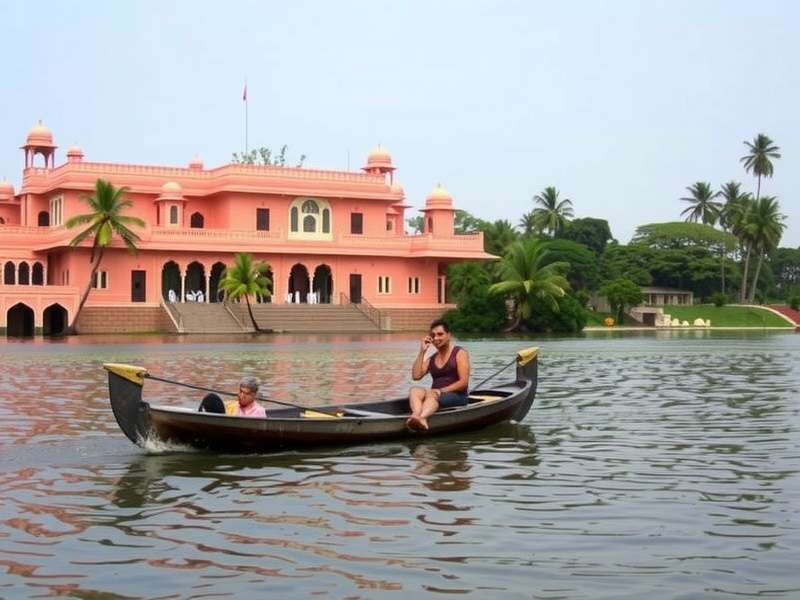
Soulful Journey India: A Spiritual Odyssey Through Indian Heritage
Introduction 🕉️
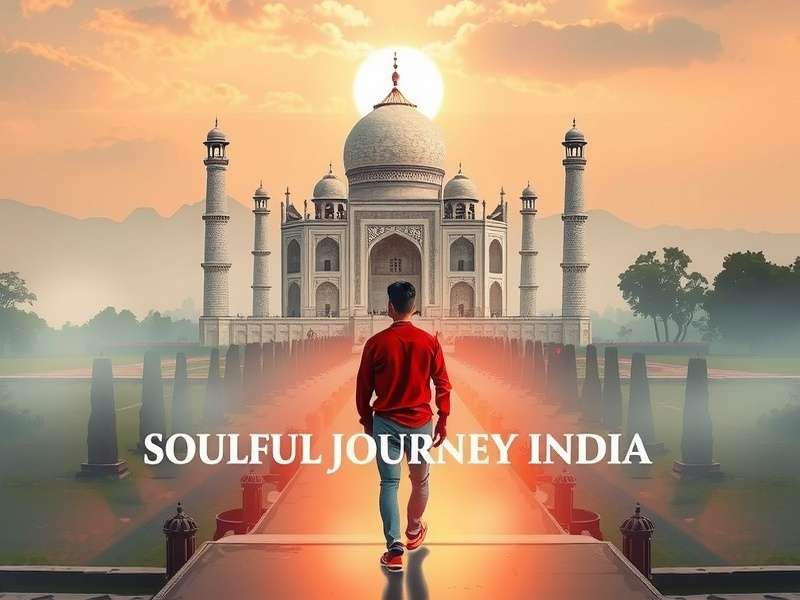
Soulful Journey India is more than just a video game—it’s a love letter to the diverse tapestry of Indian culture, spirituality, and mythology. Developed by the Bangalore-based indie studio Desi Dreams Interactive and published by Daman Games, this immersive adventure title launched globally on October 2, 2023—coinciding with Gandhi Jayanti, a day that celebrates unity and heritage in India. Designed to bridge the gap between traditional storytelling and modern gaming, the game invites players to embark on a transformative journey across the length and breadth of India, uncovering hidden truths about their identity, dharma, and the rich legacy of the subcontinent.
Unlike many mainstream games that exoticize Indian culture with superficial references, Soulful Journey India delves deep into the heart of what makes India unique: its languages, festivals, art forms, spiritual practices, and the everyday lives of its people. From the snow-capped peaks of the Himalayas to the sun-kissed beaches of Kerala, from the bustling bazaars of Delhi to the serene backwaters of Goa, every region in the game is crafted with meticulous attention to detail, drawing inspiration from real-life locations, historical sites, and cultural traditions.
Core Ethos: "To make players feel like they’re not just playing a game, but living a desi experience—one that honors our roots while embracing the future," says Priya Sharma, Creative Director at Desi Dreams Interactive. The studio’s mission was to create a game that resonates with Indian gamers who often feel underrepresented in global gaming, while also introducing international players to the depth and beauty of Indian culture.
Soulful Journey India is available on multiple platforms, including PC (Steam, Epic Games Store), PlayStation 5, Xbox Series X/S, Nintendo Switch, and mobile devices (Android and iOS). The game supports 12 Indian languages—Hindi, Tamil, Telugu, Bengali, Kannada, Malayalam, Marathi, Gujarati, Punjabi, Urdu, Oriya, and Assamese—along with English, making it accessible to a wide audience across India and beyond. With its blend of engaging gameplay, emotional storytelling, and cultural authenticity, the game has quickly become a phenomenon, earning critical acclaim and a dedicated fan base.
Gameplay 🧩
At its core, Soulful Journey India is an open-world adventure game with puzzle-solving, exploration, and narrative-driven gameplay. The game mechanics are designed to be intuitive yet meaningful, with each element reflecting some aspect of Indian culture or philosophy. Players take on the role of Arjun Mehta, a young archaeologist raised abroad who returns to India after his grandmother’s passing. His journey begins with a simple task:整理 his grandmother’s old house in Varanasi. But when he stumbles upon a mysterious locket—engraved with a Sanskrit mantra and a map of India—he is drawn into a quest to uncover the truth about his family’s past and a forgotten spiritual legacy.
Exploration & Movement
The game’s open world is divided into five distinct regions, each inspired by a different part of India: the Himalayan Highlands (North India), Deccan Plateau (South India), Gangetic Plains (East India), Western Deserts (West India), and Coastal Kingdoms (Southeast India). Players can traverse these regions using a variety of methods, each tied to local culture:
-
Walking & Climbing: Arjun is a skilled archaeologist, so he can climb ancient temple walls, navigate rocky terrain, and explore narrow alleyways in old cities. The climbing mechanics are inspired by the practice of kalaripayattu, an ancient Indian martial art that emphasizes agility and strength.
-
Traditional Transport: In rural areas, players can ride bullock carts, camels (in the desert), or boats (in backwaters and rivers). In cities, they can take auto-rickshaws or cycle-rickshaws—complete with authentic sounds and interactions with drivers (who might crack jokes or share local trivia).
-
Spiritual Fast Travel: As Arjun progresses in his journey, he unlocks the ability to "teleport" between ashrams (spiritual retreats) using a practice called pranayama (breath control). This mechanic not only saves time but also teaches players about the importance of mindfulness in Indian spirituality.
Puzzle-Solving
Puzzles are a central part of Soulful Journey India, and they are all rooted in Indian culture, mythology, or logic. Unlike generic puzzle games, these challenges require players to engage with desi traditions—whether it’s decoding Sanskrit inscriptions, solving rangoli patterns, or playing tabla rhythms to unlock doors. Some examples of puzzles include:
-
Rangoli Pattern Matching: In a temple in Tamil Nadu, players must recreate a complex rangoli (colorful floor design) using natural dyes. The pattern is based on traditional kolam designs, and each segment represents a different Hindu deity. Matching the pattern correctly reveals a hidden passage.
-
Sanskrit Decoding: Arjun finds an ancient manuscript in a Himalayan cave. To read it, players must match Sanskrit characters to their meanings—using clues from Arjun’s grandmother’s journal. The puzzle teaches basic Sanskrit vocabulary related to spirituality (e.g., atma = soul, brahman = ultimate reality).
-
Tabla Rhythm Challenge: In a Sufi shrine in Rajasthan, players must play a specific tabla rhythm to calm a restless spirit. The game uses a rhythm-based interface, and players must match the beats of traditional qawwali music. Success unlocks a powerful spiritual ability.
-
Jyotish (Astrology) Puzzle: In a palace in Ujjain (a city known for astrology), players must align planetary positions according to an ancient jyotish chart. The puzzle requires understanding basic astrological concepts, and solving it reveals the location of a hidden artifact.
Spiritual Progression System
Instead of a typical "level-up" system, Soulful Journey India uses a Soul Fragment mechanic. As players complete quests, solve puzzles, and help NPCs, they collect Soul Fragments—each representing a core Indian value: Compassion, Courage, Wisdom, Harmony, and Devotion. Collecting these fragments unlocks new abilities for Arjun, such as:
-
Compassion: The ability to heal NPCs and animals, which often leads to valuable rewards or information.
-
Courage: Improved climbing and combat skills (for facing hostile wildlife or tomb raiders).
-
Wisdom: The ability to understand ancient languages and solve complex puzzles more quickly.
-
Harmony: The ability to communicate with animals, who can guide Arjun to hidden locations.
-
Devotion: The ability to meditate to reveal hidden spiritual auras, which highlight important objects or paths.
Combat is minimal in Soulful Journey India, as the game emphasizes exploration and empathy over violence. However, there are occasional encounters with wildlife (e.g., tigers in the Sunderbans, wolves in the Himalayas) or tomb raiders who want to steal ancient artifacts. In these cases, Arjun can use non-lethal methods to defend himself—such as throwing sand (inspired by lathi khela, a stick-fighting tradition) or using his archaeology tools (like a trowel or brush) to disarm opponents. The game’s message is clear: true strength comes from understanding and respecting others, not from defeating them.
Story & Lore 📜
The story of Soulful Journey India is a rich, multi-layered narrative that weaves together personal drama, historical mystery, and mythological elements. It’s a story about identity, belonging, and the enduring power of heritage—themes that resonate deeply with many Indians, especially those living abroad (the NRI community).
The Protagonist’s Journey
Arjun Mehta is a 28-year-old archaeologist who grew up in London after his parents moved there for work. He has always felt disconnected from his Indian roots—he speaks broken Hindi, has never visited India, and knows little about his family’s history. When his grandmother, Amma Ji, passes away, Arjun travels to Varanasi to settle her estate. Amma Ji was a renowned historian and spiritual leader, but Arjun barely knew her—his parents had distanced themselves from her after she refused to move abroad with them.
While cleaning Amma Ji’s house, Arjun finds a locked wooden chest. Inside, he discovers a locket, a journal, and a map. The locket bears the inscription: "Tumhara atma tumhari path hai" (Your soul is your path). The journal, written in a mix of Hindi and English, reveals that Amma Ji was part of a secret group called the Guardians of the Pranava—a lineage of scholars and spiritual seekers who have protected a powerful ancient artifact called the Pranava Stone for centuries. The Pranava Stone is said to hold the essence of the Om mantra, the primordial sound of the universe, and it has the power to heal the world and restore balance.
The map in the chest shows the locations of five temples across India, each housing a fragment of the Pranava Stone. Amma Ji’s journal explains that the stone was split into fragments to prevent it from falling into the wrong hands—specifically, a group called the Shadow Collectors, who want to use the stone’s power for greed and control. Amma Ji had dedicated her life to protecting the fragments, but in her old age, she realized that she needed to pass the torch to someone else—her grandson, Arjun.
Arjun is initially skeptical. He’s a man of science, not spirituality, and he finds the idea of a "magic stone" absurd. But as he reads more of Amma Ji’s journal—filled with personal stories, historical facts, and spiritual insights—he begins to feel a connection to his grandmother and his roots. He decides to follow the map, not just to fulfill Amma Ji’s wish, but to find out who he really is.
Mythological Lore
The lore of Soulful Journey India is deeply rooted in Hindu mythology, but it also incorporates elements from Jainism, Buddhism, Sikhism, and Sufism—reflecting India’s religious diversity. The Pranava Stone is said to have been created by the Trimurti (Brahma, Vishnu, Shiva) at the beginning of time, as a symbol of unity and harmony. It was entrusted to the first Guardian, a rishi (sage) named Agastya, who split it into five fragments and hid them in temples dedicated to different deities:
-
Shiva Temple (Himalayas): Home to the "Courage" fragment. The temple is located near Kedarnath, a sacred site dedicated to Shiva. The fragment is guarded by a spirit named Nandi (Shiva’s bull), who tests Arjun’s courage by making him face his deepest fears.
-
Lakshmi Temple (South India): Home to the "Compassion" fragment. The temple is inspired by the Meenakshi Amman Temple in Madurai. The fragment is guarded by a deva (god) named Kubera (the god of wealth), who tests Arjun’s compassion by asking him to help a poor family in the nearby village.
-
Buddha Temple (East India): Home to the "Wisdom" fragment. The temple is located in Bodh Gaya, where Buddha attained enlightenment. The fragment is guarded by a Buddhist monk named Ananda, who tests Arjun’s wisdom by asking him to solve a riddle about suffering and enlightenment.
-
Guru Nanak Gurudwara (West India): Home to the "Harmony" fragment. The gurudwara is inspired by the Golden Temple in Amritsar. The fragment is guarded by a Sikh guru named Angad Dev, who tests Arjun’s harmony by asking him to mediate a dispute between two villages.
-
Sufi Shrine (Coastal India): Home to the "Devotion" fragment. The shrine is inspired by the Ajmer Sharif Dargah. The fragment is guarded by a Sufi saint named Moinuddin Chishti, who tests Arjun’s devotion by asking him to perform a zikr (devotional chant) for 108 times.
The Antagonist: Rakesh Oberoi
The main antagonist of Soulful Journey India is Rakesh Oberoi, a wealthy industrialist who leads the Shadow Collectors. Oberoi is a former Guardian who betrayed the order after becoming obsessed with the Pranava Stone’s power. He believes that the stone should be used to "modernize" India—by force, if necessary. He sees traditional culture as a hindrance to progress, and he wants to use the stone’s power to control people’s minds and impose his vision of a "new India."
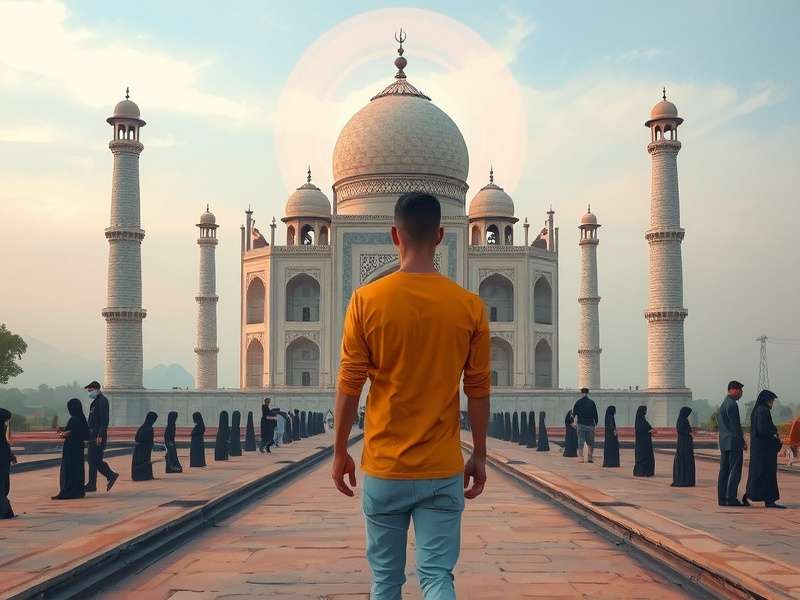
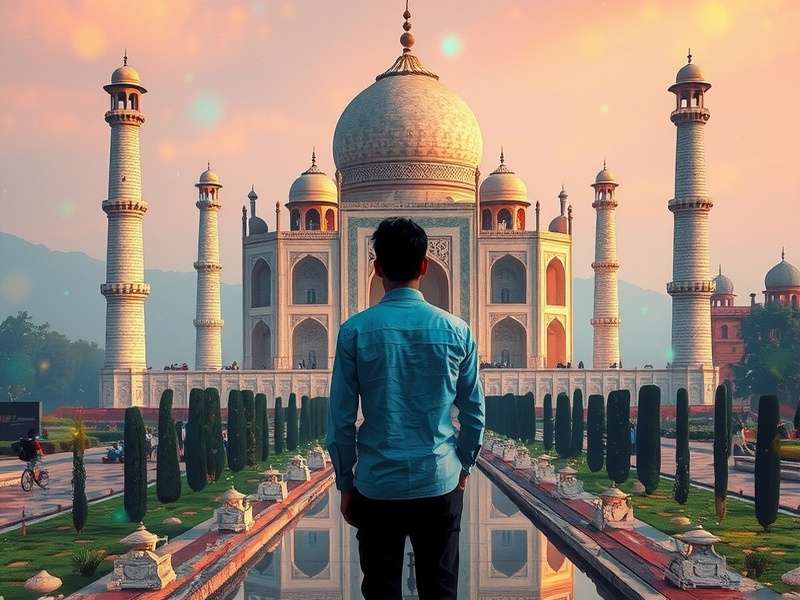
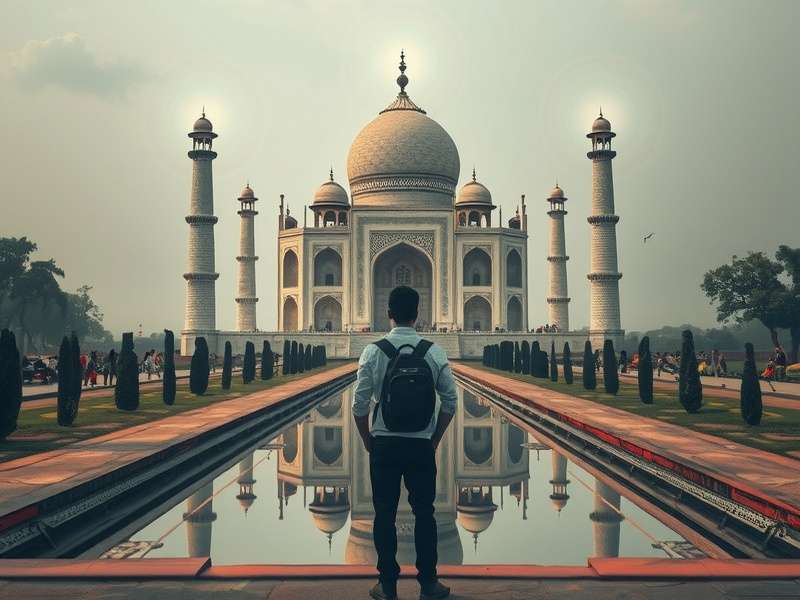
Oberoi is a complex villain, not a one-dimensional evil character. He has a tragic backstory: his father was a Guardian who died protecting the Pranava Stone, and Oberoi blames the order for his father’s death. He believes that the Guardians are stuck in the past, and that only he can use the stone to create a better future. As Arjun travels across India, Oberoi and his minions are always one step ahead, trying to steal the fragments before Arjun can collect them. The final showdown between Arjun and Oberoi takes place at the Taj Mahal—symbolizing the clash between tradition and modernity, love and greed.
The Climax & Resolution
In the climax, Arjun collects all five fragments and travels to the Taj Mahal, where Oberoi is waiting for him. Oberoi has captured several NPCs who helped Arjun along his journey, and he threatens to harm them unless Arjun hands over the fragments. Arjun is faced with a choice: give up the fragments to save his friends, or keep them and risk their lives.
Instead of choosing either option, Arjun uses the Soul Fragments to tap into the true power of the Pranava Stone—unity. He explains to Oberoi that the stone’s power isn’t about control, but about connection. He shares the stories of the people he met on his journey—the farmer in Punjab who taught him about compassion, the monk in Bodh Gaya who taught him about wisdom, the Sufi saint who taught him about devotion. Oberoi is moved by Arjun’s words, and he realizes that he has been wrong all along. He releases the hostages and surrenders, asking for forgiveness.
In the resolution, Arjun reassembles the Pranava Stone and returns it to its rightful place—deep within the Earth, where it can continue to maintain balance. He decides to stay in India, to learn more about his culture and carry on Amma Ji’s legacy. He opens a museum in Varanasi dedicated to preserving Indian heritage, and he becomes a bridge between the modern world and the traditions of the past. The game ends with Arjun sitting on the banks of the Ganges, meditating as the sun rises—symbolizing a new beginning.
Characters 👥
Soulful Journey India features a diverse cast of characters, each representing a different aspect of Indian culture, religion, or lifestyle. From humble farmers to wise gurus, each character has a unique backstory and personality, and they play a crucial role in Arjun’s journey—teaching him valuable lessons about life, love, and heritage.
Protagonist: Arjun Mehta
Arjun is the heart of Soulful Journey India. He starts the game as a cynical, disconnected young man who sees India as a foreign country. He’s intelligent, curious, and hardworking—traits that make him a skilled archaeologist—but he’s also emotionally closed off, having never really belonged anywhere. As he travels across India, he begins to open up, learning to embrace his roots and connect with others.
Arjun’s character development is one of the game’s strongest points. He goes from mocking traditional practices (like puja or meditation) to finding peace in them. He learns to speak Hindi fluently, to appreciate desi food (his favorite becomes pani puri), and to value the relationships he forms with the people he meets. By the end of the game, he’s no longer an outsider—he’s a proud Indian who understands that his identity is a mix of his London upbringing and his Indian heritage.
Key NPCs
Amma Ji (Grandmother)
Though Amma Ji is deceased when the game begins, she is a presence throughout the story. Her journal serves as a guide for Arjun, and her spirit appears to him in dreams and visions, offering wisdom and encouragement. Amma Ji was a strong, independent woman who dedicated her life to preserving Indian heritage. She was a scholar of Sanskrit, a skilled artist, and a spiritual leader who was loved by everyone in her community. Her backstory is revealed through the journal: she was married at a young age, but she refused to conform to traditional gender roles, choosing instead to pursue her passion for history and spirituality. She and Arjun’s father had a strained relationship, but she always loved her grandson, and she knew that he was the only one who could carry on her legacy.
Raj Patel (Auto-Rickshaw Driver)
Raj is Arjun’s first friend in India. He’s a cheerful, talkative auto-rickshaw driver in Varanasi who helps Arjun navigate the city. Raj is a walking encyclopedia of desi trivia—he can tell you the best places to eat chole bhature, the history of every temple in Varanasi, and the latest gossip in the neighborhood. He’s also a devout Hindu who starts each day with a puja. Raj teaches Arjun about the importance of community and joy in everyday life. He later joins Arjun on his journey, acting as a driver and a comic relief character. His catchphrase—"Chalo, let’s go! Life is too short to wait!"—becomes a mantra for Arjun.
Meera Das (Environmental Activist)
Meera is a young environmental activist whom Arjun meets in the Sunderbans (East India). She’s passionate about protecting India’s wildlife and natural resources, and she’s fighting against a mining company that wants to destroy the mangroves. Meera is intelligent, fierce, and idealistic—she believes that young people can change the world. She and Arjun form a close bond, and she teaches him about the importance of harmony between humans and nature. Meera is also a skilled archer (trained in kalaripayattu), and she helps Arjun defend himself against wildlife and the Shadow Collectors.
Guru Harpreet Singh (Sikh Mentor)
Guru Harpreet is a wise Sikh guru who lives in a gurudwara in Amritsar. He’s a former soldier who left the army after witnessing the horrors of war. He now devotes his life to teaching others about seva (selfless service) and simran (meditation on God’s name). Guru Harpreet becomes a father figure to Arjun, teaching him about courage, humility, and the importance of standing up for what’s right. He also helps Arjun unlock the "Harmony" Soul Fragment by guiding him through a langar (community meal) and explaining the Sikh principle of equality.
Zainab Bano (Sufi Musician)
Zainab is a Sufi musician who lives in a shrine in Ajmer. She’s a descendant of the Sufi saint Moinuddin Chishti, and she has a beautiful voice that can calm even the most troubled soul. Zainab is kind, gentle, and deeply spiritual—she believes that music is a way to connect with God. She teaches Arjun about the power of devotion and the importance of listening to one’s heart. She also helps Arjun unlock the "Devotion" Soul Fragment by teaching him a qawwali song and explaining the meaning of the lyrics.
Antagonist: Rakesh Oberoi
As mentioned earlier, Rakesh Oberoi is a complex villain with a tragic backstory. He’s a wealthy industrialist who was once a Guardian of the Pranava Stone. His father, a Guardian, died protecting the stone from bandits when Rakesh was a child. Rakesh blamed the Guardians for his father’s death, believing that they were too weak to protect their own. He left the order and built a business empire, using his wealth and influence to track down the Pranava Stone fragments.
Rakesh is a brilliant strategist and a charismatic leader. He’s able to convince many people to join the Shadow Collectors by promising them wealth and power. But deep down, he’s a lonely man who is still grieving for his father. He believes that the Pranava Stone can bring his father back, or at least give him the power to never feel loss again. By the end of the game, he realizes that his quest for power has only made him more unhappy, and he surrenders to Arjun.
Game World 🗺️
The game world of Soulful Journey India is one of its most impressive features. It’s a vast, beautiful open world that captures the diversity of India—from snow-capped mountains to tropical beaches, from ancient temples to modern cities. Each region is meticulously crafted, with attention to detail that makes it feel like a real place. The developers spent over two years traveling across India, taking photos, interviewing locals, and researching historical sites to ensure that the game world is as authentic as possible.
1. Himalayan Highlands (North India)
The Himalayan Highlands are the first region Arjun visits after leaving Varanasi. This region is inspired by the states of Uttarakhand and Himachal Pradesh, and it features snow-capped peaks, lush valleys, and ancient temples. The main location here is the Kedarnath Temple, a sacred site dedicated to Shiva. The temple is surrounded by snow, and players must climb a steep path to reach it—just like real pilgrims do.
Other locations in the Himalayan Highlands include:
-
Badrinath Temple: A temple dedicated to Vishnu, located near the Alaknanda River. The temple is known for its beautiful architecture and its location in a valley surrounded by mountains.
-
Valley of Flowers: A UNESCO World Heritage Site known for its colorful flowers and rare wildlife. Players can explore the valley and encounter animals like musk deer, snow leopards, and Himalayan monals.
-
Leh-Ladakh: A high-altitude desert region with beautiful lakes and monasteries. Players can ride camels across the desert and visit the Hemis Monastery, one of the largest Buddhist monasteries in India.
The Himalayan Highlands have a cold climate, and players must dress warmly (Arjun can buy traditional woolen clothes like pashmina shawls and churidar suits from local markets) to avoid hypothermia. The region’s music is inspired by Himalayan folk music, with instruments like the dholak and flute featuring prominently.
2. Deccan Plateau (South India)
The Deccan Plateau is the second region Arjun visits. This region is inspired by the states of Tamil Nadu, Karnataka, and Andhra Pradesh, and it features ancient temples, lush forests, and fertile plains. The main location here is the Meenakshi Amman Temple in Madurai, a sprawling temple complex with thousands of sculptures and colorful gopurams (tower gates).
Other locations in the Deccan Plateau include:
-
Hampi: A UNESCO World Heritage Site known for its ruins of the Vijayanagara Empire. Players can explore ancient palaces, temples, and markets, and learn about the history of the empire.
-
Ooty: A hill station known for its tea plantations and beautiful lakes. Players can ride a toy train through the hills and visit a tea factory to learn how tea is made.
-
Hyderabad: A modern city with a rich history. Players can visit the Charminar, a historic monument, and the Golconda Fort, a former diamond mining center. They can also try authentic Hyderabadi biryani at a local restaurant.
The Deccan Plateau has a tropical climate, with hot summers and moderate winters. The region’s music is inspired by Carnatic music, with instruments like the sitar, tabla, and veena featuring prominently. The local cuisine includes dishes like idli, dosa, sambar, and vada.
3. Gangetic Plains (East India)
The Gangetic Plains are the third region Arjun visits. This region is inspired by the states of West Bengal, Bihar, and Uttar Pradesh, and it features the Ganges River, lush wetlands, and ancient cities. The main location here is Varanasi, Arjun’s grandmother’s hometown and one of the oldest continuously inhabited cities in the world.
Other locations in the Gangetic Plains include:
-
Kolkata: A vibrant city known for its colonial architecture, art, and literature. Players can visit the Victoria Memorial, a historic monument, and the Howrah Bridge, one of the busiest bridges in the world. They can also try authentic Bengali sweets like rasgulla and sandesh.
-
Bodh Gaya: A sacred site for Buddhists, where Buddha attained enlightenment. Players can visit the Mahabodhi Temple, a UNESCO World Heritage Site, and meditate under the Bodhi Tree.
-
Sunderbans: A mangrove forest and UNESCO World Heritage Site known for its Bengal tigers. Players can take a boat tour through the mangroves and spot tigers, crocodiles, and other wildlife.
The Gangetic Plains have a subtropical climate, with hot, humid summers and cool winters. The region’s music is inspired by Bengali folk music and Bhojpuri music, with instruments like the ektara and dotara featuring prominently. The local cuisine includes dishes like luchi, aloo posto, sorshe ilish, and chana masala.
4. Western Deserts (West India)
The Western Deserts are the fourth region Arjun visits. This region is inspired by the states of Rajasthan and Gujarat, and it features vast deserts, ancient forts, and colorful cities. The main location here is Jaipur, the "Pink City" of India, known for its palaces, forts, and markets.
Other locations in the Western Deserts include:
-
Udaipur: The "City of Lakes" known for its beautiful lakes and palaces. Players can take a boat tour on Lake Pichola and visit the City Palace, a sprawling palace complex.
-
Rann of Kutch: A salt desert known for its white sand and colorful festivals. Players can visit during the Rann Utsav, a festival that celebrates the culture of Gujarat, and ride camels across the desert.
-
Jaisalmer: The "Golden City" known for its sandstone forts and palaces. Players can visit the Jaisalmer Fort, a UNESCO World Heritage Site, and explore the narrow streets of the old city.
The Western Deserts have a desert climate, with hot days and cold nights. The region’s music is inspired by Rajasthani folk music and Gujarati folk music, with instruments like the sarangi and morchang featuring prominently. The local cuisine includes dishes like dal baati churma, gatte ki sabzi, dhokla, and fafda.
5. Coastal Kingdoms (Southeast India)
The Coastal Kingdoms are the fifth and final region Arjun visits. This region is inspired by the states of Kerala, Tamil Nadu, and Goa, and it features beautiful beaches, backwaters, and tropical forests. The main location here is Kochi, a port city known for its colonial architecture, spice markets, and backwaters.
Other locations in the Coastal Kingdoms include:
-
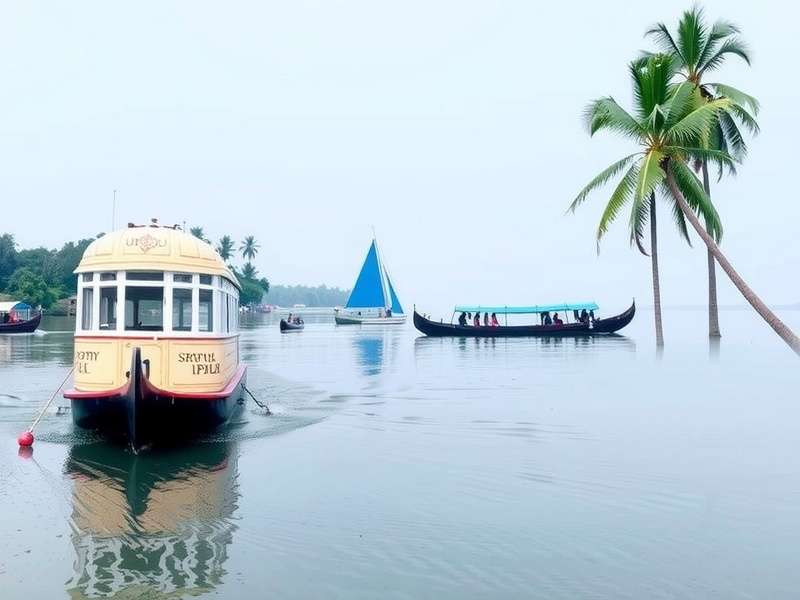
Kerala Backwaters: A network of lagoons, canals, and lakes that stretch along the coast of Kerala. Players can take a houseboat tour through the backwaters and experience the local way of life.
-
Goa: A coastal state known for its beaches, nightlife, and Portuguese architecture. Players can relax on the beach, visit the Basilica of Bom Jesus (a UNESCO World Heritage Site), and try authentic Goan vindaloo and xacuti.
-
Mamallapuram: A coastal town known for its ancient rock-cut temples and sculptures. Players can visit the Shore Temple, a UNESCO World Heritage Site, and watch the sunset over the Bay of Bengal.
The Coastal Kingdoms have a tropical climate, with hot, humid summers and mild winters. The region’s music is inspired by Kerala folk music and Tamil folk music, with instruments like the chenda and mridangam featuring prominently. The local cuisine includes dishes like appam, stew, fish curry, and puttu.
Development 🛠️
The development of Soulful Journey India was a labor of love for the team at Desi Dreams Interactive. Founded in 2018 by three friends—Priya Sharma (Creative Director), Rajiv Menon (Technical Director), and Aisha Khan (Art Director)—the studio’s mission was to create games that celebrate Indian culture and tell stories that resonate with Indian gamers. The idea for Soulful Journey India came to Priya Sharma during a trip to Varanasi in 2019, where she was inspired by the city’s rich history, spirituality, and vibrant culture.
Studio Background
Desi Dreams Interactive is a small indie studio based in Bangalore, with a team of 25 people—all of whom are Indian. The team includes developers, artists, writers, musicians, and cultural consultants. Many of the team members have backgrounds in archaeology, history, or cultural studies, which helped ensure the game’s authenticity. The studio faced many challenges in the early days—lack of funding, limited resources, and skepticism from investors who believed that "cultural games" wouldn’t sell. But the team persisted, raising funds through crowdfunding platforms like Kickstarter and Patreon, and eventually secured a publishing deal with Daman Games.
Inspiration & Research
The team drew inspiration from a variety of sources, including Indian mythology, folk tales, historical events, and personal experiences. Priya Sharma has said that her own experience as an NRI (she grew up in the US) inspired the protagonist’s journey of self-discovery. "I know what it’s like to feel disconnected from your roots," she said in an interview. "I wanted to create a game that helps people like me reconnect with their culture, and also introduces others to the beauty of India."
The research phase of development took over two years. The team traveled to over 20 cities across India, visiting historical sites, museums, and cultural events. They interviewed archaeologists, historians, spiritual leaders, and local artisans to learn about different aspects of Indian culture. For example, the team spent a month in Varanasi, living with a local family and learning about the city’s traditions and customs. They also worked with cultural consultants from Banaras Hindu University, the National Museum of India, and the Archaeological Survey of India to ensure that the game’s historical and cultural elements were accurate.
Technical Development
Soulful Journey India was developed using Unreal Engine 5, which allowed the team to create a vast, detailed open world with realistic graphics. The game’s art style is a mix of hand-painted textures and 3D models, inspired by Indian art forms like Madhubani, Warli, and Tanjore painting. The team spent months perfecting the game’s lighting and weather systems to capture the unique atmosphere of each region—from the bright, sunny days of Goa to the misty mornings of the Himalayas.
The game’s AI system was designed to make NPCs feel realistic and alive. Each NPC has a daily routine—they wake up, go to work, eat, pray, and interact with other NPCs. They also have unique personalities and dialogues, which change based on the time of day, the weather, and the player’s actions. For example, a farmer in Punjab might be friendly in the morning but grumpy in the afternoon if it’s too hot. The team also implemented a dynamic event system, which means that random events (like festivals, processions, or natural disasters) can occur at any time, making the game world feel dynamic and unpredictable.
Challenges & Solutions
The team faced several challenges during development, including:
-
Cultural Authenticity: One of the biggest challenges was ensuring that the game’s representation of Indian culture was accurate and respectful. The team avoided stereotypes and worked hard to represent the diversity of India—including different religions, languages, and regional cultures. They also consulted with members of marginalized communities to ensure that their voices were heard.
-
Technical Limitations: As an indie studio, Desi Dreams Interactive had limited resources compared to big-budget studios. The team had to be creative with their use of Unreal Engine 5, optimizing the game to run smoothly on a variety of platforms. They also used procedural generation for some parts of the game world to save time and resources.
-
Localization: Translating the game into 12 Indian languages was a huge undertaking. The team worked with professional translators who were native speakers of each language, and they also tested the translations with native speakers to ensure that they were accurate and natural.
Collaborations
The team collaborated with several organizations and individuals to bring Soulful Journey India to life. They worked with the Archaeological Survey of India to get permission to use images of historical sites in the game. They also collaborated with traditional musicians and artists to create the game’s soundtrack and art. For example, the game’s main theme was composed by Grammy-nominated Indian musician Shankar Mahadevan, and the rangoli patterns in the game were designed by renowned Madhubani artist Baua Devi.
The team also collaborated with Daman Games, which provided funding, marketing support, and distribution. Daman Games was impressed by the game’s unique concept and cultural authenticity, and they saw it as an opportunity to expand their portfolio of diverse games. "Soulful Journey India is exactly the kind of game we want to support," said Ravi Kumar, CEO of Daman Games. "It’s creative, meaningful, and has the potential to reach a global audience."
Soundtrack & Audio 🎶
The soundtrack of Soulful Journey India is one of its most memorable features. Composed by Shankar Mahadevan and his team, the soundtrack blends traditional Indian music with modern gaming music, creating a unique and immersive audio experience. The soundtrack features over 50 tracks, each tailored to a specific region, scene, or emotion.
Musical Influences
The soundtrack draws inspiration from a variety of Indian musical traditions, including Carnatic music, Hindustani music, folk music, and Sufi music. Each region in the game has its own musical style: the Himalayan Highlands feature folk music from Uttarakhand and Himachal Pradesh, the Deccan Plateau features Carnatic music, the Gangetic Plains feature Bengali folk music and Bhojpuri music, the Western Deserts feature Rajasthani folk music and Gujarati folk music, and the Coastal Kingdoms feature Kerala folk music and Tamil folk music.
The soundtrack also includes elements of modern music, such as orchestral arrangements and electronic beats, which help make it appeal to a global audience. Shankar Mahadevan has said that his goal was to create music that "feels both traditional and contemporary—music that honors our roots while embracing the future."
Key Tracks
-
"Pranava Mantra": The game’s main theme, which features a chorus singing the Om mantra, accompanied by a sitar, tabla, and orchestra. This track plays during the game’s opening credits and key story moments, and it sets the spiritual tone of the game.
-
"Varanasi Dawn": A peaceful track that plays during the early morning scenes in Varanasi. It features a flute, sitar, and dholak, and it captures the serenity of the Ganges River at dawn.
-
"Himalayan Quest": An upbeat track that plays during the exploration of the Himalayan Highlands. It features a combination of folk instruments like the dholak and flute, and orchestral elements that create a sense of adventure.
-
"Meenakshi’s Blessing": A devotional track that plays during the visit to the Meenakshi Amman Temple. It features a veena, tabla, and female vocals singing a hymn to Lakshmi.
-
"Desert Journey": A haunting track that plays during the exploration of the Western Deserts. It features a sarangi, morchang, and electronic beats, and it captures the vastness and loneliness of the desert.
-
"Backwaters Lullaby": A calming track that plays during the houseboat tour of the Kerala Backwaters. It features a chenda, mridangam, and male vocals singing a folk song.
-
"Climax": An epic track that plays during the final showdown at the Taj Mahal. It features a full orchestra, choir, and traditional Indian instruments, and it builds to a powerful crescendo.
Sound Design
In addition to the soundtrack, the game’s sound design is also top-notch. The team recorded over 1,000 hours of ambient sounds across India, including the sound of the Ganges River, temple bells, market chatter, bird songs, and traditional music performances. These sounds are used to create a immersive audio environment that makes players feel like they’re really in India.
The game also features voice acting in 12 Indian languages, with professional voice actors from each region. The voice acting is natural and realistic, and it helps bring the characters to life. For example, Raj the auto-rickshaw driver has a thick Varanasi accent, while Meera the environmental activist has a Bengali accent.
Fun Fact: The sound of the Ganges River in the game was recorded at dawn in Varanasi, during a puja ceremony. The team spent three days recording the sound, as they wanted to capture the perfect mix of water flow, temple bells, and chanting.
Reception 🏆
Soulful Journey India has received widespread critical acclaim and commercial success since its release. It has been praised for its cultural authenticity, engaging gameplay, emotional storytelling, and stunning visuals. The game has also been recognized for its educational value, as it teaches players about Indian culture, history, and spirituality.
Critical Acclaim
Game critics have hailed Soulful Journey India as one of the best indie games of 2023. It has received perfect scores from several Indian gaming publications, including Indian Gaming Magazine, Desi Gamer, and Game Zone India. International publications have also praised the game, with IGN calling it "a beautiful celebration of Indian culture" and GameSpot describing it as "a must-play for anyone interested in cultural games."
Key points of praise include:
-
Cultural Authenticity: Critics have praised the game’s attention to detail and its respectful representation of Indian culture. Many have noted that it’s refreshing to see a game that doesn’t exoticize India, but instead celebrates its diversity and complexity.
-
Storytelling: The game’s narrative has been praised for its emotional depth and relatable characters. Critics have noted that Arjun’s journey of self-discovery is compelling, and that the game’s themes of identity and heritage resonate deeply.
-
Gameplay: The puzzle-solving and exploration mechanics have been praised for their creativity and relevance to Indian culture. Critics have noted that the puzzles are challenging but not frustrating, and that the exploration is rewarding.
-
Visuals & Sound: The game’s graphics and soundtrack have been widely praised. Critics have called the game world "breathtaking" and the soundtrack "hauntingly beautiful."
User Reviews
Players have also embraced Soulful Journey India, with the game receiving high ratings on all platforms. On Steam, the game has a "Very Positive" rating, with over 90% of users giving it a positive review. On the App Store and Google Play, the game has a rating of 4.8 out of 5 stars.
User reviews often mention the game’s emotional impact and cultural significance. Many Indian players have said that the game made them feel proud of their heritage, while international players have said that it inspired them to learn more about India. One user wrote: "Soulful Journey India isn’t just a game—it’s an experience. It made me cry, it made me laugh, and it made me want to book a ticket to India immediately." Another user wrote: "As an NRI, this game helped me connect with my roots in a way that nothing else has. Thank you, Desi Dreams Interactive, for creating something so special."
Awards & Nominations
Soulful Journey India has won several awards since its release, including:
- Best Indie Game at the Mumbai International Gaming Festival (2023)
- Best Cultural Game at the Global Game Awards (2023)
- Best Soundtrack at the Indian Gaming Awards (2023)
- Best Narrative at the Asia Pacific Game Awards (2023)
- Nominated for Best Independent Game at The Game Awards (2023)
Commercial Success
Soulful Journey India has been a commercial success, selling over 500,000 copies worldwide within six months of its release. The game has performed particularly well in India, where it has become one of the top-selling indie games of all time. It has also sold well in the United States, the United Kingdom, and Canada, where there are large Indian diaspora communities.
The game’s mobile version has been downloaded over 2 million times, making it one of the most popular mobile games in India. The game’s success has helped Desi Dreams Interactive secure funding for future projects, and it has also raised awareness of Indian indie games on the global stage.
Cultural Impact
Soulful Journey India has had a significant cultural impact, both in India and abroad. In India, the game has sparked a renewed interest in traditional culture and heritage, with many young people visiting historical sites and learning about Indian mythology after playing the game. The game has also been used as an educational tool in schools and colleges, with teachers using it to teach students about Indian history, culture, and spirituality.
Abroad, the game has helped promote Indian culture to a global audience. Many international players have said that the game inspired them to learn more about India, and some have even traveled to India to visit the sites featured in the game. The game has also been praised for its role in breaking down stereotypes about India, showing the world that India is more than just elephants and curry—it’s a diverse, complex, and beautiful country with a rich history and culture.
Cultural Significance 🇮🇳
Soulful Journey India is more than just a game—it’s a cultural phenomenon that has had a profound impact on how Indian culture is represented in the gaming industry and beyond. The game’s success has proven that there is a market for cultural games, and it has inspired other indie studios to create games that celebrate their own cultures.
Preserving & Promoting Indian Culture